
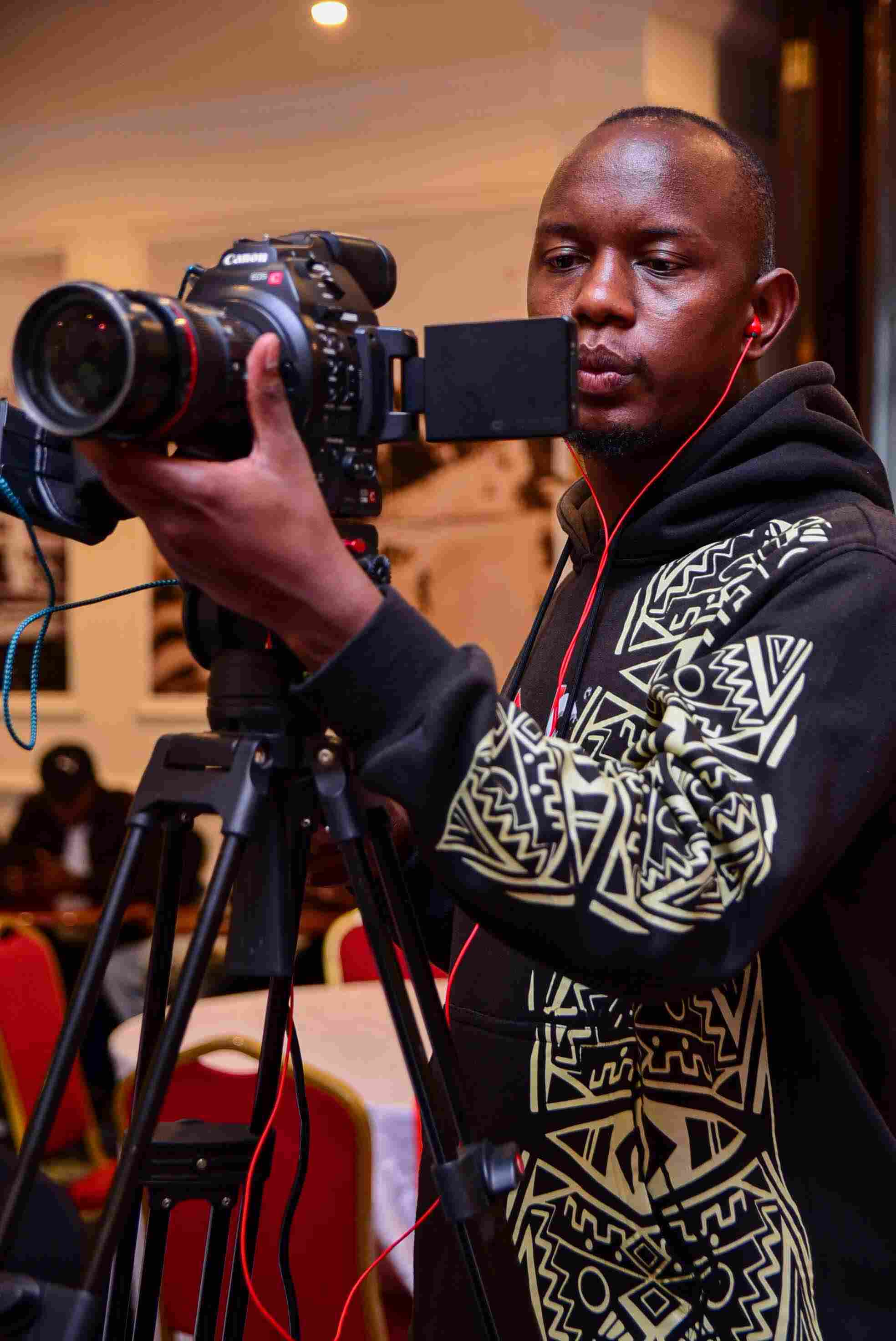
Camera Work Classes
Learn the Art of Camera Work
Our Camera Work Classes are designed to help you master the skills of cinematography and camera operation. Whether you're an aspiring filmmaker, a hobbyist, or someone looking to refine their technical skills, our comprehensive courses cover everything you need to know. From learning about different types of cameras and lenses to understanding framing, lighting, and camera movement, we provide hands-on instruction to help you capture the perfect shot every time.
Enroll NowWhat You'll Learn in Camera Work Classes
Camera Basics
Learn about different types of cameras, lenses, and equipment, and understand the basic components of camera systems.
Framing & Composition
Master the art of framing your subject and composing shots for visual impact, following the rule of thirds and other compositional techniques.
Lighting Techniques
Understand the importance of lighting in camera work, and learn various lighting setups like three-point lighting and natural lighting techniques.
Camera Angles and Movements
Discover how to use different camera angles, shots, and movements (e.g., pans, tilts, dolly shots) to tell a compelling story.
Depth of Field & Focus
Learn how to control depth of field and focus, and use it creatively to enhance the mood and storytelling of your shots.
Shot Planning and Storyboarding
Understand how to plan your shots and create storyboards, ensuring every shot serves the story you're telling.
Camera Techniques for Different Genres
Explore camera work for various genres including documentaries, music videos, commercials, and narrative films.
Post-Production Workflow
Understand the post-production process related to camera work, including how to work with editors and colorists to get the most out of your footage.
Why Choose Our Camera Work Classes?
Experienced Instructors
Our instructors are seasoned professionals with years of experience in film and television production, offering real-world insights.
Hands-On Learning
We emphasize practical, hands-on learning. You'll have opportunities to operate cameras, shoot real scenes, and get direct feedback.
Comprehensive Curriculum
Our curriculum covers both the technical and creative aspects of camera work, ensuring a well-rounded understanding.
Small Class Sizes
We keep class sizes small to ensure personalized attention and a more effective learning environment.
Equipment & Studio Access
Students have access to top-of-the-line cameras, lenses, and studio setups, allowing them to practice and experiment with professional gear.
Course Structure
Our Camera Work Classes are structured to offer both theoretical knowledge and practical skills. Here's a breakdown of the course modules:
Module 1: Introduction to Camera Work
Understanding different types of cameras and basic operation.
Module 2: Composition & Framing
Techniques for visually appealing and effective shots.
Module 3: Lighting & Exposure
The science and art of lighting your scenes for maximum impact.
Module 4: Advanced Camera Techniques
Exploring complex shots, camera movements, and storytelling methods.
Module 5: Working with Crews
Learn how to collaborate with other crew members, such as directors and gaffers, to execute the vision.
Module 6: Final Project
Put your skills to the test by shooting and editing your own short film or project.
